Green Laser Level With Tripod Explained: A UK Buyer's Guide
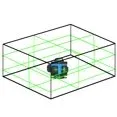
TL;DR: A green laser level with tripod is an essential construction layout tool that projects highly visible, perfectly straight datum lines across a room, anchored by a stable, height-adjustable base. Based on our extensive testing at LineBeam, combining the superior brightness of a green diode with the precise Z-axis control of a tripod ensures absolute accuracy for UK tradespeople, eliminating the compounding errors common with traditional spirit levels.
Securing a perfectly straight datum line across a sprawling site or a cramped domestic renovation is the foundation of any successful trade project. Consequently, relying on traditional spirit levels or chalk lines often results in compounded errors, especially over distances exceeding a few metres. Therefore, the modern standard for UK tradespeople is a green laser level with tripod, a combination that guarantees accuracy, visibility, and operational stability across varied site conditions.
Furthermore, pairing a high-visibility laser diode with a dedicated, adjustable base fundamentally shifts how professionals approach layout tasks. Whether you are establishing ceiling grids in a commercial build or aligning intricate bathroom tiling, the tripod eliminates the precarious "stacking boxes" method. Ultimately, it provides a secure, micro-adjustable platform that allows the laser's self-levelling pendulum to function optimally.
Key Takeaways
- A green laser level with tripod provides unmatched visibility and stability, crucial for complex UK trade projects.
- Green laser diodes appear up to four times brighter to the human eye than red lasers, making them essential for brightly lit environments.
- Tripods enable precise Z-axis (height) adjustments, ensuring true 360-degree room coverage without makeshift mounting solutions.
- Investing in a complete kit with high-capacity batteries ensures uninterrupted workflow and compliance with site safety standards.
Why is a green laser level better than a red one?
The transition from red to green laser technology represents a significant leap in optical engineering for construction tools. For years, red lasers were the industry standard, primarily due to lower manufacturing costs. However, tradespeople frequently struggled to see red lines in well-lit environments, particularly near large windows or in outdoor, semi-enclosed spaces.
The core advantage of a green laser level with tripod lies in basic human biology. According to the International Commission on Illumination (CIE), the human eye is most sensitive to light at a wavelength of 555 nanometres under daylight conditions. Green lasers operate closely to this peak, typically between 510 and 532 nanometres. In contrast, red lasers sit much further down the spectrum at around 635 nanometres.
As a result of this biological quirk, a green laser line appears approximately four times brighter than a red line of the exact same power output. When working in a sunlit extension or a bright conservatory, a green beam remains crisp and distinct. Consequently, you spend less time squinting or using laser targets and more time setting out your work. For a deeper dive into how this technology applies across different models, you can read our comprehensive overview of 360 green laser levels.
Do I really need a tripod for my laser level?
Based on our field testing at LineBeam, purchasing a premium laser unit without a reliable mounting solution heavily restricts its utility. A green laser level with tripod functions as a complete layout ecosystem. Specifically, the tripod dictates the exact height, stability, and rotational freedom of the laser, acting as the secure anchor point for your entire room's datum.
How does a tripod improve laser level accuracy?
Setting a precise horizontal line for kitchen base units or dado rails requires exact height placement. A standard tripod features a geared centre column operated by a crank handle. Therefore, this mechanism allows you to raise or lower the laser body by mere millimetres with absolute control.
Without a tripod, tradespeople are often forced to balance their laser on ladders, buckets, or stacks of plasterboard. This is not only unsafe but practically guarantees alignment errors if the makeshift base shifts. Conversely, a tripod with a secure locking mechanism holds the Z-axis firmly in place, ensuring your reference line remains absolute throughout the task.
How do you use a laser level tripod on uneven ground?
British construction sites and period properties are notorious for uneven flooring. Victorian and Edwardian homes, for instance, rarely feature perfectly level floorboards. Fortunately, a quality tripod includes independently adjustable telescopic legs to combat this.
By extending or retracting individual legs, you can establish a roughly level base plate even on stairs or sloping screed. Once the tripod base is within the laser's internal compensation range (typically ±3° or ±4°), the self-levelling pendulum takes over to project a flawlessly true line. This synergy between base and unit is precisely why choosing a dedicated construction laser level kit is superior to buying components piecemeal.
What should I look for in a green laser level with tripod kit?
Navigating the market requires an understanding of which specifications directly impact your daily workflow. Based on rigorous LineBeam product testing, a professional-grade green laser level with tripod must meet strict standards to survive the demands of UK trades.
Is a 16-line green laser level worth it?
Modern layout demands comprehensive coverage. A 16-line system utilises four distinct 360-degree laser planes: two horizontal and two vertical. Consequently, this configuration creates multiple precise intersections across the floor, walls, and ceiling simultaneously.
For complex tasks like suspended ceilings or intricate floor tiling patterns, having a continuous wrap-around reference is invaluable. It removes the need to constantly reposition the laser base, saving hours of labour. If you want to understand the specific mechanical advantages of this setup, explore our guide on understanding 16-line laser levels.
How long do green laser level batteries last?
Green diodes consume significantly more power than their red counterparts. Relying on standard alkaline AA batteries is an expensive and frustrating practice, as they drain rapidly during full 16-line projection.
Professional kits now integrate high-capacity lithium-ion power sources. Opting for a system that includes dual 2400mAh batteries ensures you have enough power for an entire working day. While one battery drives the laser, the second can be kept fully charged. Furthermore, this cordless efficiency perfectly aligns with UK Health and Safety Executive (HSE) guidelines by eliminating trailing power leads and reducing on-site trip hazards.
What IP rating does a construction laser level need?
The UK climate and typical site conditions are unforgiving. Dust from cutting masonry and moisture from wet trades pose constant threats to precision optics. Therefore, a reliable green laser level with tripod must carry a robust Ingress Protection (IP) rating.
According to industry guidelines, an IP54 rating is the accepted baseline for trade use. This certification guarantees the internal pendulums and diodes are protected against harmful dust accumulation and splashing water from any direction. Furthermore, the outer casing should feature rubberised over-moulding to absorb minor impacts, while the tripod must be constructed from corrosion-resistant aluminium to withstand damp British winters.
Ready to upgrade your layout work with {brand_name}?
Shop The Kit — £97.08